
Best Sleeping Position for Neck Pain: How to Sleep Comfortably

Waking up with a stiff or sore neck can make the start of your day uncomfortable. If your neck already hurts at bedtime, even finding a position that feels right can be difficult. Your sleeping position and pillow setup are two things you can examine.
For many people, the best sleeping position for neck pain is on the back or side, with the head and neck comfortably aligned with the body. Stomach sleeping is generally less favorable because it typically requires turning the head to one side for a long period. Individual needs vary, and changing sleep position is not a treatment for every cause of neck pain.
Below, we'll compare the positions, show you how to assess pillow height, and explain what to look for when choosing a pillow for neck support.
What Is the Best Sleeping Position for Neck Pain?
Both back and side sleeping can help keep your neck in a relatively neutral position. In a neutral position, your head isn't forced far forward, backward, or sideways in relation to your upper body. Harvard Health and Cleveland Clinic both identify back and side sleeping as generally preferable to stomach sleeping for neck comfort.
| Sleep position | What to consider |
|---|---|
| Back | Support the curve of the neck without pushing the chin sharply toward the chest. |
| Side | Use enough pillow height to fill the space between head and mattress without tilting the head upward. |
| Stomach | Usually requires sustained neck rotation; consider a gradual transition to back or side sleeping if it feels comfortable. |
Sleeping on Your Back
Back sleeping can make it easier to keep your head centered over your body. Choose a pillow that supports the curve beneath your neck while allowing your head to rest comfortably. A pillow that is very thick or stiff can push the head forward and make this position less comfortable.
- Keep your head centered rather than turned sharply to one side.
- Check that your chin isn't pushed down toward your chest.
- Consider a small pillow beneath your knees if it helps your lower back feel comfortable.
Sleeping on Your Side
Side sleeping is another reasonable choice. The challenge is finding a pillow that fills the space created by your shoulder. Too little height may let the head dip toward the mattress; too much may tilt it away from the mattress. Shoulder width and how far you sink into your mattress both influence the pillow height that feels suitable.
- Try to keep your head in line with the rest of your upper spine.
- Keep your shoulder primarily on the mattress rather than propped up on the head pillow.
- If comfortable, use a separate pillow between your knees to support your lower-body positioning.
What About Stomach Sleeping?
Stomach sleeping typically requires turning your head substantially to breathe, which can keep the neck rotated for an extended time. It may also create uncomfortable positioning through the back. If you're accustomed to sleeping on your stomach, consider gradually experimenting with side sleeping rather than forcing an abrupt change.
How to Sleep With Neck Pain: Start With Your Pillow
Sleeping position is only part of the picture. Your pillow's height, firmness, and shape help determine how your head is supported. A pillow that feels comfortable for one person may be too tall or too low for someone else.
Signs Your Pillow May Be Too High
On your back, a very high pillow can push your chin toward your chest. On your side, a high pillow can tilt your head upward. Those angles may be uncomfortable, especially if maintained throughout the night.
Signs Your Pillow May Be Too Low
On your side, a low pillow may allow your head to slope down toward the mattress. On your back, insufficient neck support may feel uncomfortable depending on your anatomy and pillow design.

A Simple Pillow-Height Self-Check
- Lie in your usual sleeping position with your current pillow.
- Ask someone to check your head position, or take a photograph from the side or behind.
- Look for pronounced upward, downward, or sideways head tilt relative to your upper body.
- Consider whether you regularly have to fold or bunch your pillow to feel supported.
- Experiment with modest changes in pillow height or placement, paying attention to comfort.
This is a comfort and positioning check, not a diagnostic test. Neck discomfort has many possible causes.
How to Choose a Pillow for Neck Support
If you're reassessing your pillow, start with the position in which you spend most of the night. A side sleeper may need more height than a back sleeper, but there is no universal measurement that suits everyone.
- Height: Look for a fit that keeps your head comfortably aligned with your body.
- Support: Consider whether the pillow maintains its shape enough to feel supportive without uncomfortable pressure.
- Shape: Traditional and contoured pillows support the head differently. Some sleepers prefer a recessed area for the head and a raised area for the neck.
- Sleep habits: If you switch between your back and side, consider how the pillow feels in both positions.
An Option for Back and Side Sleepers: Lunava

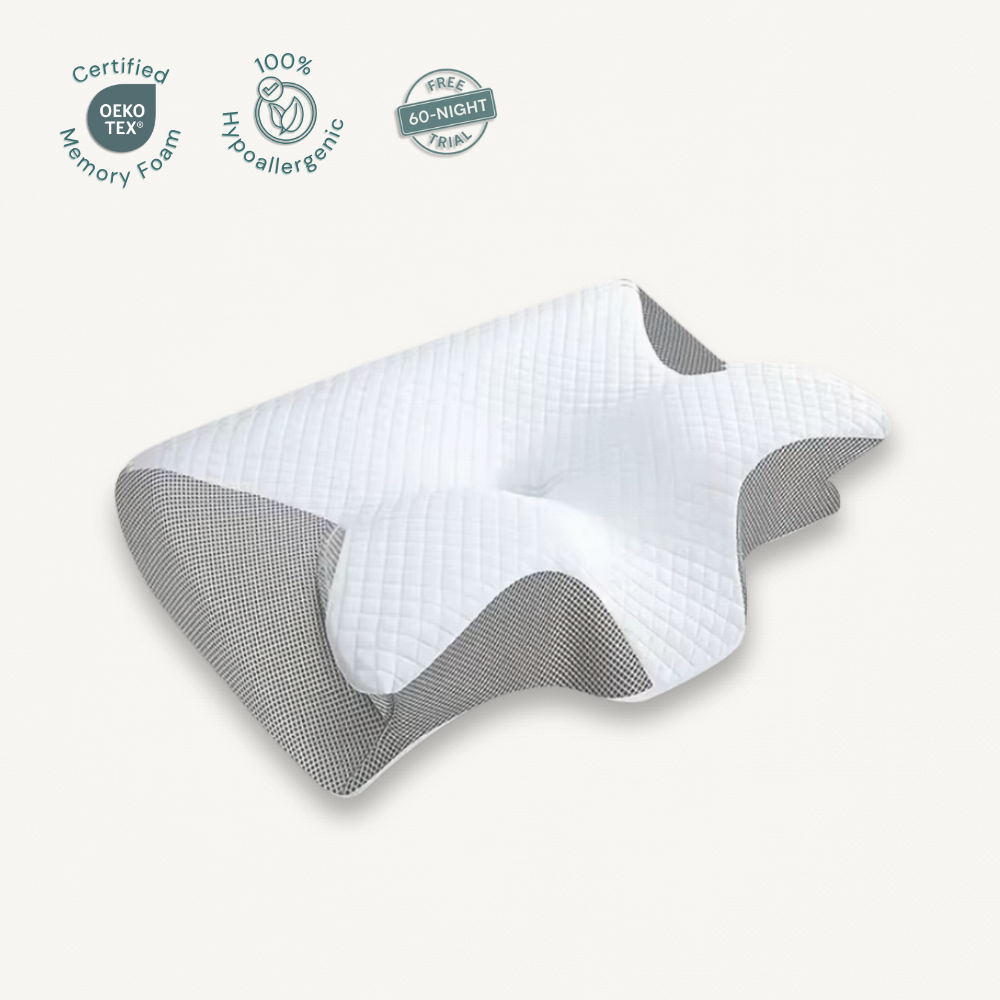
We designed the Lunava Cervical Pillow using physical therapy-inspired design principles, with the goal of supporting natural neck alignment during sleep.
Its contoured design features a recessed center for back sleeping, raised side-support areas for side sleeping, and memory foam that conforms to the head and neck. A removable insert provides an option to change its height. Individual fit and comfort will vary.
Explore the Lunava Cervical Pillow →
Free shipping and a 60-night trial are offered subject to the terms on our product page. Lunava is a consumer pillow, not a medical treatment.
How to Help Prevent Neck Discomfort While Sleeping
A good sleep setup involves more than the pillow alone. These adjustments may be worth considering:
- Avoid prolonged awkward angles. Try to keep your neck from remaining sharply rotated or bent.
- Check an aging pillow. A flattened or misshapen pillow may no longer support you the way it once did.
- Consider mattress firmness. How deeply your shoulder sinks into the bed changes the pillow height you may need.
- Take daytime movement breaks. Long periods in one position at a desk or on a phone may contribute to neck discomfort.
- Protect your sleep routine. Consistent, restorative sleep matters, too.
If neck pain persists, gets worse, follows an injury, or is associated with numbness, weakness, fever, or a severe headache, get medical advice. New severe neurological symptoms or a sudden unusually severe headache require urgent medical evaluation.
Frequently Asked Questions
How do I sleep when I have neck pain?
Begin with a back or side position that feels comfortable. Keep your head supported without forcing your neck sharply forward, backward, or sideways. Adjust pillow height if necessary, and seek medical advice for persistent or concerning pain.
Can side sleeping cause neck pain?
Side sleeping isn't inherently harmful, but a pillow that's too tall or too low for your shoulder and mattress can leave your neck in an uncomfortable position.
Is it better to sleep without a pillow if your neck hurts?
Not necessarily. Side sleepers generally need enough support to fill the gap between the head and mattress. Back sleepers may be comfortable with a flatter pillow or one that gently supports the curve of the neck. Personal fit matters.
Can a pillow contribute to morning neck discomfort?
An unsuitable pillow can contribute to uncomfortable sleeping positions, but it isn't the only possible explanation for waking up with neck pain. Don't assume recurring symptoms are solely caused by your pillow.
How can I help prevent neck discomfort while sleeping?
Choose a comfortable back or side sleeping setup, check pillow height and support, and avoid prolonged positions that twist or bend the neck. Changing your pillow cannot prevent or treat every cause of neck pain.
Final Thoughts
If you're wondering how to sleep with neck pain, begin with a comfortable back or side sleeping position and a pillow that keeps your head and neck naturally supported. Avoid forcing yourself into an uncomfortable position, and remember that persistent symptoms may need professional evaluation.
If you're considering a contoured pillow for back and side sleeping, learn more about Lunava's physical therapy-inspired design.
References and Further Reading
- Harvard Health — Say Good Night to Neck Pain
- Harvard Health — Can Changing My Sleep Habits Help With Neck Pain?
- Cleveland Clinic — Neck Pain
About this article: Prepared by Lunava Pillows using published health information for general education. Lunava is a pillow brand and does not provide medical diagnosis or treatment. This article has not been independently medically reviewed.
About the Author
Jeff Hutchinson is the founder of Lunava Pillows , a brand focused on ergonomic memory foam pillows designed to support natural neck alignment. Through Lunava, Jeff shares educational resources on sleep comfort, pillow design, and ergonomics, drawing on published healthcare research and his experience developing the Lunava brand.