
What Causes Lower Back Pain? 10 Common Causes Explained

What causes pain in the lower back?
Common possibilities include muscle or ligament strain, irritated spinal nerves, age-related changes, and sometimes problems outside the spine. Often, no single structural cause can be identified. The location of pain alone cannot tell you the diagnosis. Below are ten possible causes, what different symptoms may mean, and when to seek medical attention.
Important: This is general educational information, not a diagnosis. New loss of bladder or bowel control, numbness around the groin or saddle area, or significant new leg weakness with back pain require emergency assessment.
10 Possible Causes of Pain in the Lower Back
These are possibilities, not a way to diagnose yourself. Some conditions overlap, and scans do not always explain symptoms. NIAMS explains how clinicians evaluate back pain.
1. Muscle or ligament strain
Lifting, twisting, unfamiliar exercise, or repetitive physical demands can irritate the tissues supporting your back. You may notice stiffness, tenderness, or discomfort with movement. Strain is a common cause of acute pain, but similar symptoms can occur with other conditions.
2. Nonspecific mechanical lower back pain
Many episodes have no single identifiable cause. Pain may fluctuate with movement, activity, or time spent in one position, even without a memorable injury. “Nonspecific” does not mean the pain is imaginary.
3. Herniated or irritated disc
Spinal discs cushion the vertebrae. A disc that bulges or herniates can sometimes irritate a nerve. However, disc changes may also appear on scans of people who have no pain; findings need clinical interpretation.
4. Sciatica or nerve-root irritation
Irritation of a nerve supplying the leg can cause pain that travels from the back or buttock down a leg, sometimes with tingling or numbness. Persistent or worsening weakness requires medical evaluation.
5. Arthritis and age-related spinal changes
Joints and discs change with age. Arthritis and other changes may contribute to stiffness and discomfort, but an age-related finding on imaging does not automatically identify the source of pain.
6. Spinal stenosis
Narrowing of spaces around spinal nerves may cause back or leg symptoms. Some people experience more discomfort with standing or walking. A clinician considers the full symptom pattern and examination.
7. Sacroiliac joint or hip-related problems
The sacroiliac joints connect the pelvis to the spine. Discomfort from this region or the hips can overlap with lower back pain, sometimes extending into the buttocks.
8. Vertebral compression fracture
A spinal bone may fracture after an injury, or with less force if osteoporosis has weakened the bone. Sudden pain after a fall or trauma deserves prompt assessment.
9. Inflammatory or infectious conditions
Some inflammatory disorders affect the spine. More rarely, infections can cause back pain, sometimes with fever or other symptoms. Persistent unexplained pain or systemic symptoms should not be attributed automatically to posture.
10. Kidney, abdominal, or pelvic conditions
Not all pain felt near the lower back comes from the spine. Kidney stones, kidney infection, and certain abdominal or pelvic conditions can cause back or flank discomfort. Fever, urinary changes, nausea, or pelvic symptoms are important clues that warrant appropriate medical assessment.
Medical sources for these causes: MedlinePlus: Acute Low Back Pain and NIAMS: Living With Back Pain.
What Causes Lower Back Pain in Women?
Many causes of lower back pain are the same for women and men, including muscle strains, disc problems, arthritis, and nerve irritation. However, some reproductive and pelvic health conditions can also contribute to lower back discomfort in women.
Possible causes include:
- Menstrual cramps: Period-related uterine contractions can cause cramping in the lower abdomen that spreads to the lower back and thighs. Some people notice this discomfort shortly before or during menstruation.
- Endometriosis: This condition occurs when tissue similar to the lining of the uterus grows elsewhere in the body. It can cause persistent pelvic or lower back pain, painful periods, and sometimes pain during sex or bowel movements.
- Pregnancy-related changes: Changes in posture, body weight, abdominal muscle support, and pelvic ligaments during pregnancy may contribute to back discomfort. Pregnancy-related pelvic girdle pain can also affect one or both sides of the lower back.
- Other pelvic conditions: Uterine fibroids, pelvic inflammatory disease, ovarian cysts, and certain urinary conditions may sometimes produce discomfort felt in the pelvic area or lower back.
When should women seek medical advice? Lower back pain that is persistent, worsening, unusually severe, or accompanied by abnormal bleeding, fever, urinary symptoms, or significant pelvic pain warrants medical evaluation. If pregnancy is possible and severe pain occurs with bleeding, faintness, or dizziness, seek emergency care.
The timing and accompanying symptoms can offer useful clues, but lower back pain alone cannot identify its cause. A healthcare professional can help determine whether the discomfort originates from the spine, muscles, pelvis, or another condition.
What Causes Lower Back Pain in Men?
The same common musculoskeletal and nerve-related causes apply to men. Urinary, testicular, or pelvic symptoms can suggest conditions outside the spine that need evaluation. Sex alone cannot identify the cause of back pain.
Why Does My Lower Back Hurt Without an Injury?
Pain may develop after a change in physical activity, repetitive movements, prolonged time in one position, or with no obvious trigger. Clinicians look at when symptoms began, what affects them, whether pain travels, and whether warning signs are present—not just whether you remember an injury. NIAMS: Diagnosis of Back Pain.
Can Sleeping Position Make Lower Back Pain Worse?
Sleep position can influence comfort, but waking with pain does not prove that your pillow or mattress caused it. Experiment with positions that feel supported and avoid forcing yourself into one supposedly perfect posture.
| Position | Comfort adjustment |
|---|---|
| Side sleeping | Try a pillow between slightly bent knees. |
| Back sleeping | Try a pillow beneath the knees. |
| Stomach sleeping | If comfortable, consider support beneath the lower abdomen or hips. |
These are comfort suggestions, not treatments guaranteed to work for everyone. They are consistent with guidance from East Lancashire Hospitals NHS Trust. If you also have neck discomfort, see our guide to the best sleeping position for neck pain.
Reassessing Your Overall Sleep Setup?

While a cervical pillow isn't a treatment for lower back pain, proper head and neck support is an important part of a comfortable sleep setup. If you're reassessing your sleeping environment, choosing a pillow that supports natural neck alignment may be worth considering.
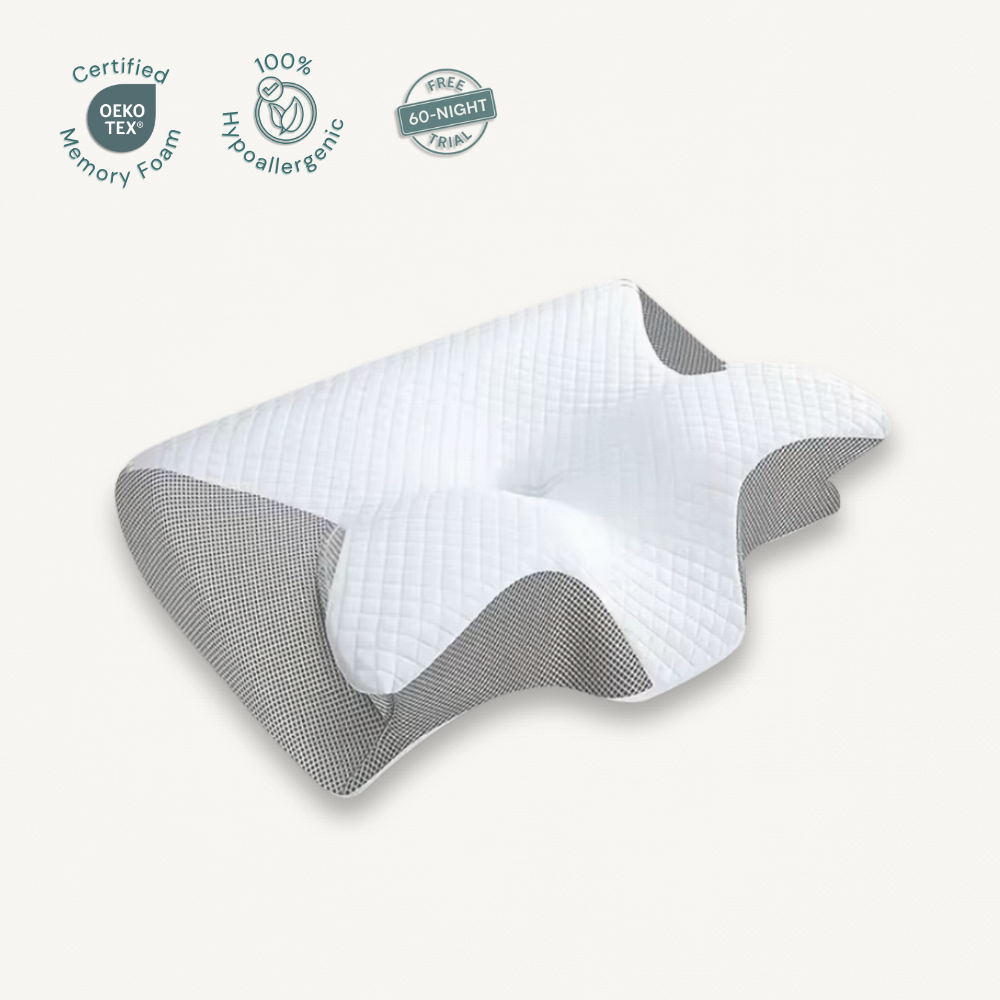
The Lunava Cervical Pillow is contoured for back and side sleepers, with a removable insert to adjust its height. Comfort and fit vary by person.
When Should You Seek Medical Attention?
Seek emergency care for new bladder or bowel control problems, numbness around the groin or saddle area, or significant new or rapidly worsening leg weakness with back pain. These may signal serious nerve compression. Barnsley Hospital NHS.
Seek prompt medical advice after significant injury or if back pain accompanies fever, unexplained weight loss, urinary symptoms, a history of cancer, or severe or worsening symptoms. Arrange an assessment for persistent pain or pain interfering with daily activities. MedlinePlus.
Frequently Asked Questions About Lower Back Pain Causes
What causes pain in the lower back on the right side?
Muscle, joint, disc, or nerve problems may affect either side. Kidney or other abdominal conditions can also cause one-sided back or flank pain. Severe pain with fever or urinary changes warrants prompt medical advice.
Can kidney stones cause pain in the lower back?
Yes. Kidney stones can cause severe pain in the side or flank, sometimes radiating toward the groin. Blood in the urine, nausea, or vomiting may occur. Seek medical attention for suspected stones, especially with fever or severe pain. MedlinePlus: Kidney Stones.
What causes lower back and hip pain together?
Possible sources include muscles, sacroiliac joints, hips, or irritated nerves. A physical examination and symptom history help distinguish among them.
What causes sudden sharp pain in the lower back?
Muscle strain or spasm can begin suddenly, but disc problems, fractures, and other conditions are possible. Sudden severe pain after trauma or with neurological warning signs requires urgent evaluation.
Why might lower back pain feel worse after sleeping?
Remaining in one position, an uncomfortable sleep setup, or an underlying condition may play a role. Changing positions or trying support under or between the knees may help comfort, but persistent pain deserves assessment.
Key Takeaway
The causes of pain in the lower back range from common muscle strain and nonspecific mechanical discomfort to nerve problems and conditions outside the spine. The right next step depends on the complete symptom pattern, not a single symptom or a search result. Sleeping adjustments may help comfort but do not replace medical assessment when needed.
Medical References
- MedlinePlus — Acute Low Back Pain
- NIAMS — Living With Back Pain
- NIAMS — Diagnosis and Treatment of Back Pain
- MedlinePlus — Kidney Stones
- East Lancashire Hospitals NHS Trust — Back Pain
- Barnsley Hospital NHS — Lower Back Pain
- NHS — Period Pain
- Office on Women's Health — Endometriosis
- ACOG — Back Pain During Pregnancy
- NHS — Pelvic Pain
About this article: This is general educational information, not personalized medical advice. It has not been independently medically reviewed. Consult a qualified healthcare professional about concerning symptoms.
About the Author
Jeff Hutchinson is the founder of Lunava Pillows, a brand focused on ergonomic memory foam pillows designed to support natural neck alignment. Through Lunava, Jeff shares educational resources on sleep comfort and pillow design, drawing on published healthcare information.